Automated valet parking, where a driver leaves the car at a drop-off bay and the vehicle parks itself with no one on board, has had its permit moment. What it has not had is a commercial scale-up. For garage operators, that gap is the planning problem: the regulatory path exists, the paying customer base does not yet, and the infrastructure obligations land on the operator regardless.
What the permit actually covered
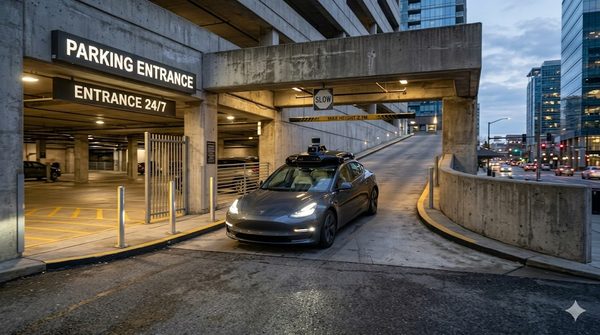
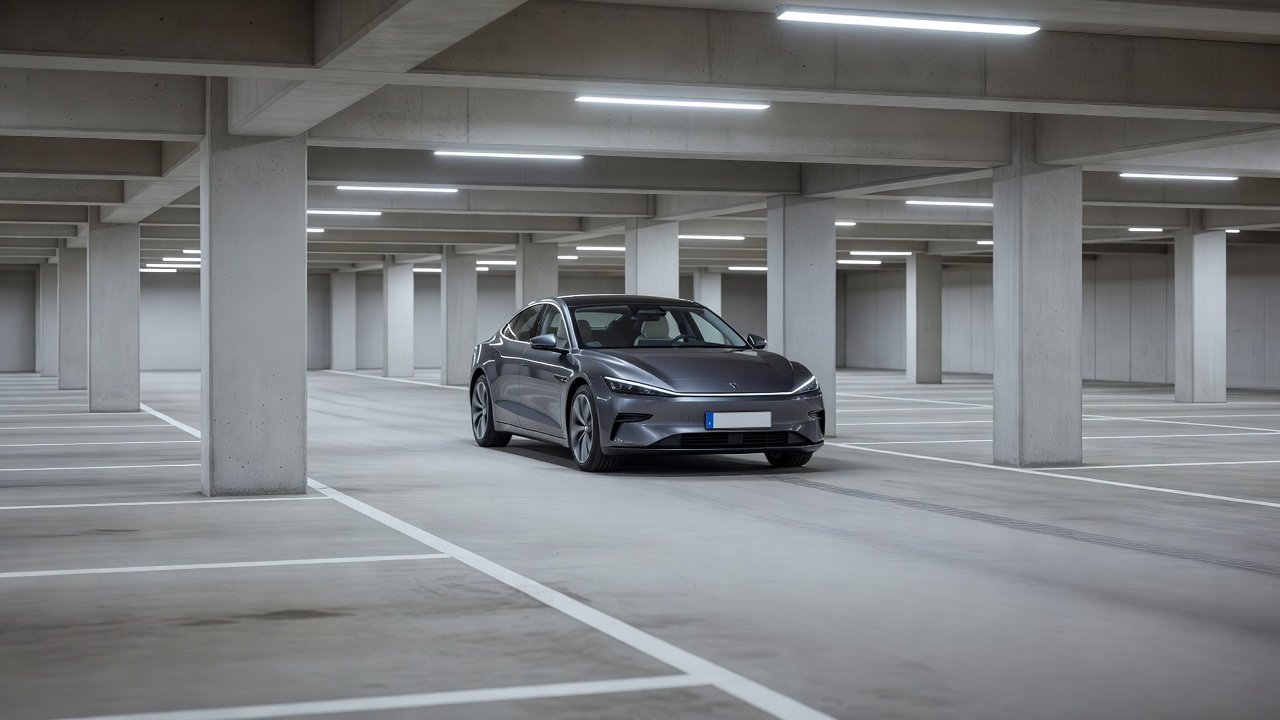
The reference case is Stuttgart Airport. In November 2022, Germany’s Federal Motor Transport Authority (KBA) approved the Bosch and Mercedes-Benz automated valet parking system for the P6 garage operated by APCOA. Bosch and Mercedes described it as the first SAE Level 4 driverless parking function approved for commercial use, and the approval followed a 2019 special permit for development vehicles in the Mercedes-Benz Museum garage in Stuttgart.
Three details show how narrow the approval was.
- One facility. The approval was for a specific garage, not for a class of garages.
- A short vehicle list. Early access was limited to S-Class and EQS models built since July 2022 with the Intelligent Park Pilot service activated.
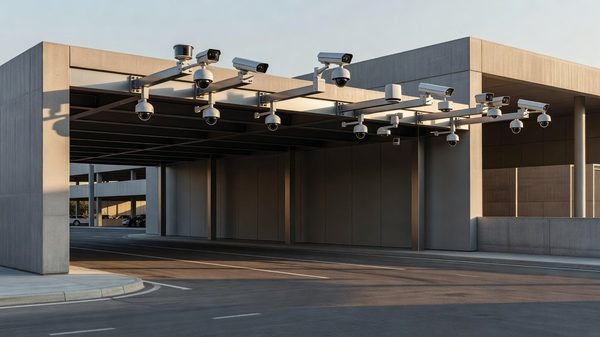
- Infrastructure-led. Sensors installed in the garage monitor the driving corridor and its surroundings and supply the information the car needs. If they detect an obstacle, the vehicle brakes and stops.
The legal base was German law. A statute that took effect in July 2021 allows driverless operation at SAE Level 4, and an ordinance (the AFGBV) passed by the Bundesrat in May 2022 set the criteria. In other words, the permit was a product of one country’s framework applied to one garage, which is a long way from a general right to run driverless vehicles in any structure.
The part the headline skips
A permit is not a market. A 2026 European commentary reports that Mercedes-Benz and Bosch ended their two-year automated valet partnership at the end of 2024, with Mercedes saying that development of automated driving and parking would continue. We found that report in a single source and could not confirm it against a Mercedes or Bosch statement, so operators should check the current status of any Stuttgart service directly before citing it. The same commentary draws the lesson that certified technology does not guarantee mass acceptance.
That caution fits the vendor-skeptical read this site takes: a system can be approved, work as designed and still fail to attract enough users to justify the garage’s capital cost. A customer needs a compatible vehicle, an active subscription and a reason to prefer the driverless bay to a normal one. At Stuttgart, the eligible list was two model lines.
What the standard asks of operators
The most useful document for an operator is not the permit but the standard. ISO 23374-1:2023 covers automated valet parking systems that drive unoccupied vehicles at SAE Level 4 inside a defined parking facility area. It sets performance requirements for operation functions, environmental conditions in the facility, and test procedures. It splits the system into vehicle, facility-equipment and user domains, often supplied by different organisations, and defines the architecture and communication interfaces between them.
Its management requirements show where the operator’s work sits:
- checking that a vehicle and the facility are compatible;
- remote assistance and recovery when automated driving fails;
- stop commands triggered by other users of the facility.
The standard describes the service as run by a provider that has been given authority over customers’ vehicles. That puts the operator in an unfamiliar position: responsible for the movement of cars it does not own, in the same space as pedestrians and conventional traffic.
Preparing without over-investing
Operators do not need to build a driverless bay this year. They can make choices now that keep the option open at low cost.
Map the facility as data. Accurate, current drawings of lanes, ramps, bays, columns and signage are the starting point for any vendor assessment, and they are useful for guidance and digital-twin work anyway.
Know your communications and power. Infrastructure-led systems rely on sensors and connectivity throughout the route. Document where coverage, lighting and power exist, and where they do not.
Define a drop-off zone. A designated area with clear ownership, protected from general traffic, is a prerequisite for any handover of a vehicle to an automated system.
Settle responsibility before the pilot. Who answers for damage, a stuck vehicle or an obstructed ramp is a contract question between operator, vehicle maker and technology supplier. Raise it with your insurer and legal adviser before signing a pilot, and do not assume one country’s approval transfers to another.
Ask for evidence, not demos. Request incident logs, intervention rates, the number of vehicles and customers using the service and the approval conditions. If a supplier cannot give utilisation data from an operating site, treat the commercial case as unproven.
Check the local legal route. Germany’s approach may not apply where you operate. Ask your authority which vehicle approvals, facility approvals and operating permissions would be needed, and who grants each.
What to watch next
Reports on Chinese manufacturers suggest advanced parking features, including systems that take over the whole parking process, are shipping in series-production cars, according to SBD Automotive figures cited in the same commentary. Whether any of that reaches facility-level driverless valet outside closed or pilot settings is not established in the sources we reviewed.
For most garages, the sensible position is readiness without commitment: clean data, documented infrastructure and a standing list of questions for suppliers. If a credible customer base arrives, the operator who has done that homework will move first. If it does not, little was spent.